Today in History On this day in 1970, Fiji gained independence from Britain, ending 96 years of colonial rule and beginning a new chapter as a sovereign Pacific nation.
Today, 10 October 2026, marks 56 years since that historic occasion, commemorated each year as Fiji Day.
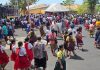
Thousands gathered at Albert Park in Suva for the independence ceremony.
Prince Charles, now King Charles III, presented the instruments of independence to Fiji’s first Prime Minister, Ratu Sir Kamisese Mara, as the country’s new flag was raised.
The date carried a special significance. Fiji had been ceded to Britain on 10 October 1874 — exactly 96 years earlier.
Independence followed constitutional negotiations in London, where representatives of Fiji’s major political parties agreed on arrangements for the country’s future government.
For Samoa, Fiji’s milestone forms part of a shared Pacific history of nations gaining the right to govern themselves.
Samoa, then known as Western Samoa, had achieved independence on 1 January 1962, more than eight years earlier.
Fiji and Samoa were among the founding members of the Pacific Islands Forum in August 1971. They established diplomatic relations on 14 November 1974.
Their relationship also extends into everyday life, with Samoan communities and students attending University in Fiji and Fijians who have made Samoa their home.
Education, trade, tourism, health and transport are among the areas covered by a development cooperation agreement signed between the two countries in 2023.
Fiji Day recalls a defining moment in our Pacific neighbour’s history — and a journey towards self-government that Samoa knows well.